Get Gas Pipe Trenching in Grand Junction, CO
Gas pipe trenching services help property owners in Grand Junction, CO, and nearby areas by safely installing, repairing, or replacing underground gas lines for appliances and systems.
Gas pipe trenching services are an essential consideration for property owners in Grand Junction, CO planning to install or upgrade natural gas lines. Proper trenching ensures safe and efficient installation, helping to prevent future issues related to underground piping. Whether preparing for a new heating system, outdoor appliances, or other utilities, understanding the options available locally can support a well-organized project. Exploring different service providers in the area allows property owners to compare approaches and choose the right professionals for their specific needs.
For those looking to move forward with gas line work, connecting with experienced local contractors can provide valuable insights into the best practices for trenching projects. Property owners are encouraged to consider their options carefully and gather information about the services offered by nearby specialists. Continuing to explore available resources can help ensure the work is completed safely and effectively, making it easier to plan and execute future utility projects with confidence.
- Gas line installation - needed when installing new gas pipelines for appliances or heating systems in residential neighborhoods.
- Gas pipe repair - required when experiencing leaks, corrosion, or damage to existing gas lines in urban or suburban areas.
- Gas pipe trenching - necessary for safely laying new gas lines across yards, driveways, or along property boundaries.
- Gas line replacement - essential when upgrading outdated or unsafe gas piping systems in local homes or businesses.
- Gas line extension - used when extending existing gas service to additional structures or outdoor features in nearby communities.
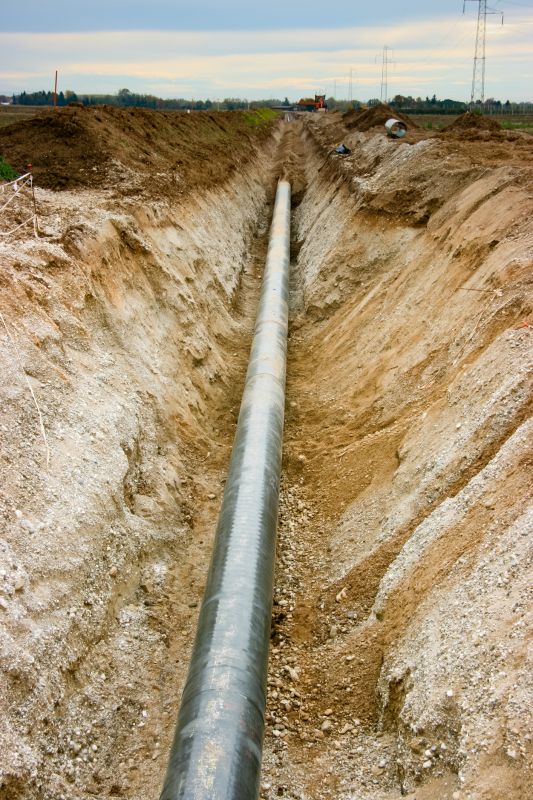
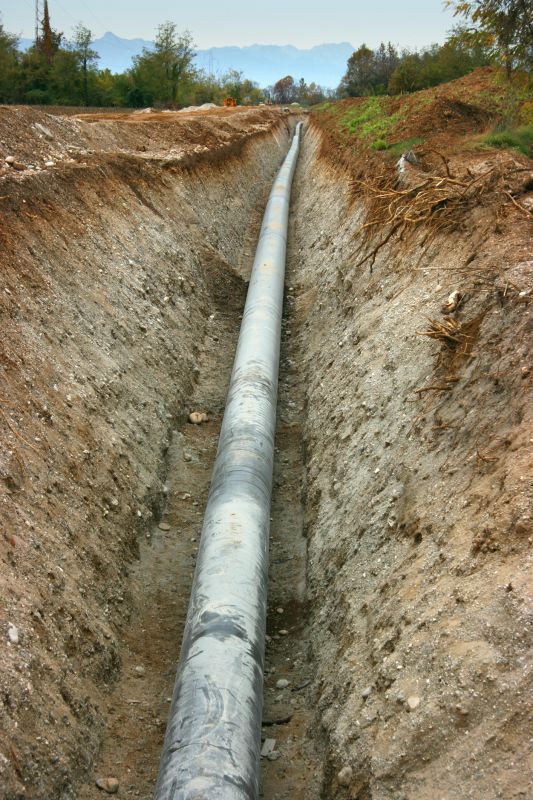
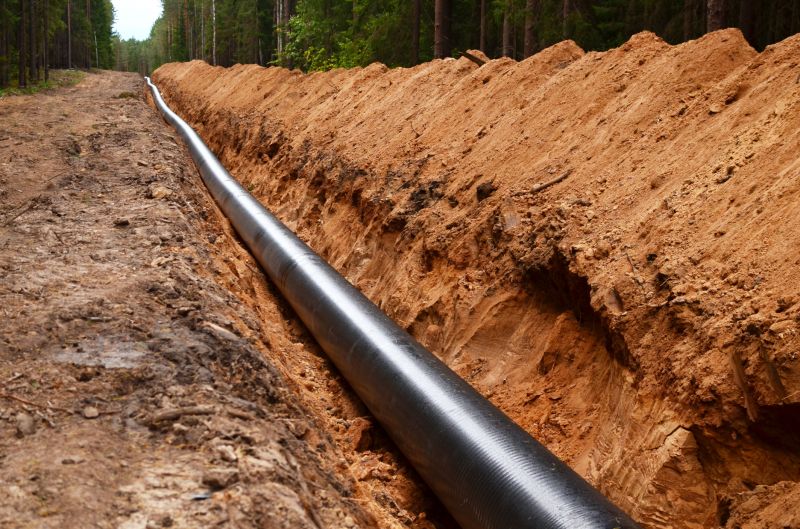
Gas pipe trenching services involve excavating narrow, precise channels in the ground to lay or replace underground gas lines. This process typically requires specialized equipment to carefully dig trenches that accommodate the gas piping without damaging surrounding structures or utilities. Once the trenches are prepared, the service providers install new gas lines or repair existing ones, ensuring they are properly buried and protected from potential damage. This work is essential for safely extending or upgrading gas service to residential properties, commercial buildings, or other facilities that rely on natural gas or propane.
This service helps resolve several common problems associated with underground gas lines. For example, older pipes may become corroded, cracked, or otherwise compromised over time, leading to leaks or safety hazards. Additionally, property owners planning renovations or new constructions may need to reroute or extend gas lines to accommodate changes in layout. Gas pipe trenching also addresses issues caused by accidental damage during landscaping or digging projects, providing a safe and effective way to restore or upgrade gas infrastructure without extensive disruption to the property.
Properties that typically utilize gas pipe trenching services include single-family homes, apartment complexes, commercial buildings, and industrial facilities. Homes in older neighborhoods may require trenching to replace outdated gas lines or connect to new gas meters. Businesses that rely on natural gas for heating, cooking, or industrial processes often need trenching when expanding their facilities or upgrading their utilities. Additionally, properties undergoing landscaping or renovation projects may require trenching to reroute existing gas lines safely and efficiently. This service is suited for any property where underground gas lines need to be installed, repaired, or upgraded with minimal disturbance to the surrounding area.
Understanding when gas pipe trenching might be necessary can help property owners maintain safe and reliable gas service. Signs that trenching may be needed include persistent leaks, corrosion, or damage to existing gas lines, as well as plans for property expansion or renovation. If a property’s gas lines are aging or have been damaged, trenching can provide a way to replace or extend the piping securely underground. For those preparing for construction or landscaping projects that involve digging, consulting with local contractors about trenching ensures that gas lines are properly managed and that safety standards are maintained. Connecting with experienced service providers can help property owners address these needs efficiently and safely.
The overview below groups typical Gas Pipe Trenching projects into broad ranges so you can see how smaller, mid-sized, and larger jobs often compare in Grand Junction, CO.
In many markets, a large share of routine jobs stays in the lower and middle ranges, while only a smaller percentage of projects moves into the highest bands when the work is more complex or site conditions are harder than average.
Smaller Repairs - Typical costs for minor gas pipe trenching projects in the Grand Junction area range from $250 to $600. Many routine jobs fall within this range, covering tasks like replacing short sections of pipe or repairing leaks.
Standard Installations - For standard gas pipe trenching services, local contractors often charge between $600 and $1,500. Most projects in this category are straightforward and stay within this middle range.
Full Replacement - Larger, more complex projects such as complete pipe replacements or extensive trenching can cost $1,500 to $3,500 or more. These jobs are less common but may involve additional excavation or permits.
Specialized or Complex Projects - Very large or intricate trenching jobs, including those with difficult terrain or requiring permits, can exceed $5,000. Such projects are less frequent and typically involve detailed planning and higher labor costs.
Actual totals will depend on details like access to the work area, the scope of the project, and the materials selected, so use these as general starting points rather than exact figures.
Underground Utility Installation - local contractors often handle the installation of various underground utilities, requiring similar trenching and planning skills as gas pipe work.
Drainage System Excavation - installing or repairing drainage pipes involves trenching techniques and careful site planning comparable to gas pipe trenching projects.
Electrical Conduit Trenching - laying electrical conduits underground requires precise trenching and knowledge of underground infrastructure, similar to gas piping services.
Water Line Installation - trenching for water lines involves similar excavation methods and safety considerations as gas pipeline projects.
Fiber Optic Cable Burial - burying fiber optic cables involves trenching and careful planning, aligning with the skills used in gas pipe trenching.
Irrigation System Installation - trenching for irrigation lines shares techniques with gas pipe trenching, requiring careful excavation and planning from local service providers.
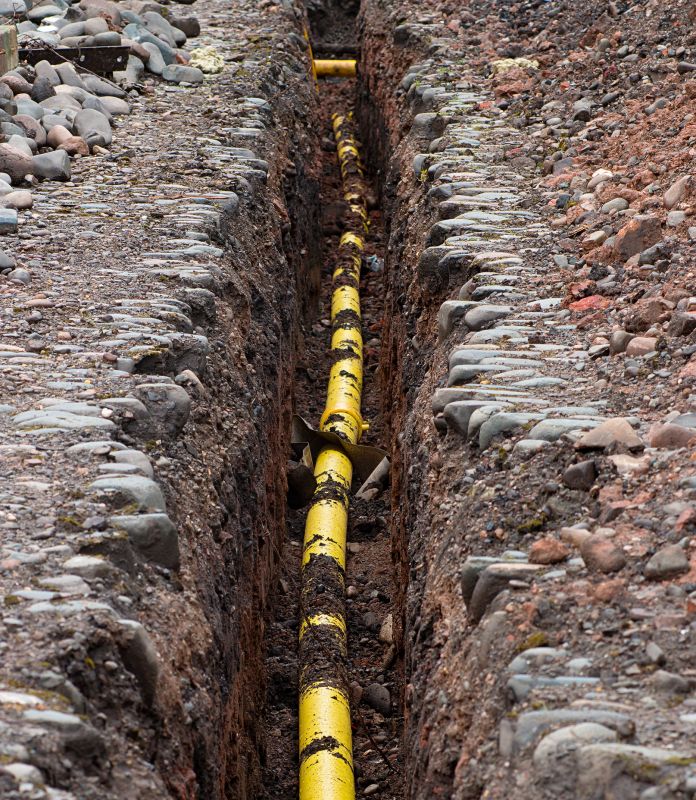
When evaluating contractors for gas pipe trenching services in the Grand Junction area, it’s important to consider their experience with similar projects. Homeowners should look for service providers who have a proven track record of handling trenching work for gas lines, as this can indicate familiarity with local soil conditions and safety practices. Asking for details about past projects can help gauge whether a contractor has the relevant expertise needed to complete the job effectively and efficiently.
Clear, written expectations are essential when choosing a service provider. Homeowners should seek contractors who can provide detailed explanations of the scope of work, including what is involved in the trenching process and any preparations or follow-up that might be necessary. Having these expectations documented helps prevent misunderstandings and ensures everyone is aligned on the project’s goals, making the process smoother from start to finish.
Reputable references and strong communication are key factors to consider. Trusted local contractors should be able to provide references from previous clients who can speak to their professionalism and quality of work. Good communication throughout the process-such as prompt responses to questions and transparency about project details-can make a significant difference in the overall experience. It’s worth taking the time to contact references and assess how well a service provider communicates before making a decision.
Property owners in Grand Junction, CO use Gas Pipe Trenching services for practical projects around their homes and businesses. This guide focuses on everyday jobs and straightforward project options.
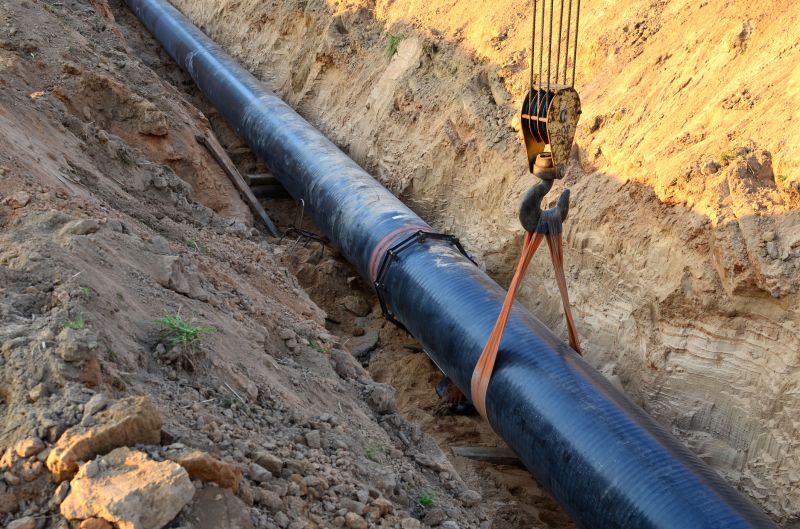
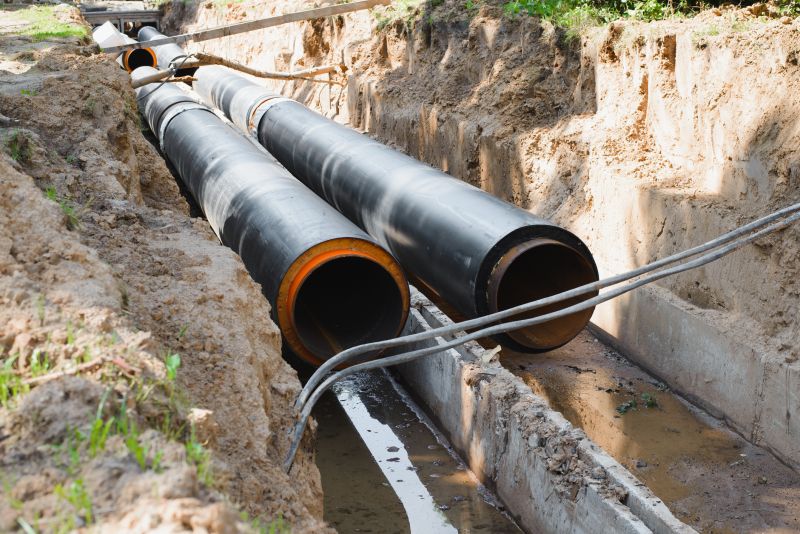
Gas pipe trenching services are often needed when property owners in Grand Junction, CO, are installing new natural gas lines for heating, appliances, or outdoor equipment. Whether a homeowner is adding a new stove or upgrading their heating system, they may require trenching to safely lay the necessary gas pipes underground. Additionally, property owners working on renovations or new construction projects might seek these services to ensure proper installation of gas lines while minimizing disruption to their property.
In many cases, local contractors are called upon to handle gas pipe trenching when existing lines need repair or replacement. Property owners may also look for trenching services to extend or reroute gas lines for better access or safety reasons. Service providers in the area can assist with the excavation process, helping to ensure the work is done efficiently and correctly to meet local codes and standards.
What is gas pipe trenching? Gas pipe trenching involves digging narrow, precise channels in the ground to install or replace underground gas lines safely and efficiently.
Why is professional trenching important for gas lines? Professional trenching ensures that gas lines are installed correctly, minimizing risks and complying with local safety standards.
What types of trenching methods do local contractors use for gas lines? Contractors may use methods such as hand digging, trenching machines, or directional boring, depending on the site conditions and project requirements.
How deep are gas pipes typically buried during trenching? Gas pipes are usually buried at depths that meet local building codes, often between 18 to 24 inches underground.
What factors should be considered before trenching for gas lines? Factors include existing underground utilities, soil type, property layout, and safety regulations to ensure proper installation and minimal disruption.
Underground Gas Line Installation - Property owners planning to add a new gas appliance can have local contractors install underground gas lines safely and efficiently.
Existing Gas Line Repair - Homeowners experiencing leaks or damage can contact local service providers to repair or replace gas pipes to ensure safety and proper function.
Gas Line Upgrades - Those upgrading appliances or expanding their property’s utilities may need trenching services to upgrade or extend existing gas piping systems.
Property Renovation Projects - During landscaping or construction, property owners can work with local pros to trench and reroute gas lines to accommodate new structures or features.
If you are thinking about Gas Pipe Trenching for a property in Grand Junction, CO, this guide is meant to help you understand the work, the typical project types, and how different options might fit your plans.
When you are ready, you can use the quote form on this page to share a few details about your project. From there, local pros can review the basics and respond with options that match what you have in mind.